

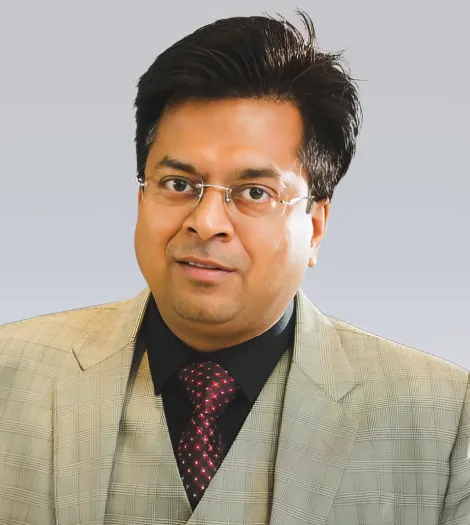
Co-Founder & Managing Director of Anmol Feeds Pvt. Ltd. & Founder of PrraniGanga
Empowering farmers with an accessible one-stop solution platform Amit Saraogi, an engineering graduate with early dreams of a tech startup, found himself returning to Bihar after initial mixed success in Bangalore's nascent startup scene of the late 1990s. Back home, while engaging in his family’s traditional commodity business, he became deeply moved by the struggles of marginal farmers and landless laborers. This inspired him to build a business with social impact at its core.
Co-Founder & Managing Director of Anmol Feeds Pvt. Ltd. & Founder of PrraniGanga
Amit Saraogi, an engineering graduate with early dreams of a tech startup, found himself returning to Bihar after initial mixed success in Bangalore's nascent startup scene of the late 1990s. Back home, while engaging in his family’s traditional commodity business, he became deeply moved by the struggles of marginal farmers and landless laborers. This inspired him to build a business with social impact at its core.
Identifying poultry farming as a scalable and farmer-friendly opportunity, he started producing pellet poultry feed with limited resources and no access to modern knowledge tools. After months of trial and error, his product succeeded in the market, laying the foundation for Anmol Feeds—a company that expanded across North and East India, adding fish, cattle, and shrimp feed to its portfolio.
As the business matured, it moved operations to Kolkata, rebranded under the global-ready name Nouriture, and scaled to over 200,000 MT in production, impacting over 5,000 families. The COVID-19 pandemic prompted a strategic shift into cattle feed and dairy, resulting in the successful launch of brands like Milk-o-Milk and Godhenu Gold, with actor Pankaj Tripathi as brand ambassador.
In 2024, reviving his original tech vision, Amit launched PrraniGanga. com , India’s first e-commerce platform for the livestock industry. It empowers farmers by giving access to a wide range of products and services beyond their local markets. With a focus on digital innovation and ecosystem-building, Amit Saraogi’s journey is a testament to resilience, purpose-driven entrepreneurship, and long-term vision.
Read the full story from the entrepreneur
Having spent most of my growing years away – schooling in Pilani, +2 in New Delhi and Engineering in Bangalore, I had no intention of returning to Bihar. With the zeal of a fresh tech graduate and the entrepreneurial craving running in my veins, I had dived into the milieu of tech start-ups. While the excitement and buzz of startup was already there in late 90s in the Bangalore environment, the support system was yet to mature. So after a series of mis-starts and failure, I had to reconcile to shelve my IT dreams and return to Bihar. A dream remains with me for the right opportunity for next 25 years.
Back in Bihar, the family was involved in business of primary commodities, rice, fertilizer, cement and agriculture inputs; mostly trading some processing. While I immersed myself completely into these family ventures, the dream of starting my own initiative never went away.
During this time, I came face to face with the condition of marginal farmers and landless labour; the absolute despondency and hopelessness of their lives. I was deeply moved by their fragile existence and wanted to create a business that is fulcrum on socio-economic impact.
Around this time, poultry as an industry was at its nascent stage. It struck me that poultry can be a major game changer. It requires relatively small investment as compared to other animal husbandry and a small gestation time (35-40 days) for a flock to be market ready. This is a business that can supplement income of marginal farmers and provide them financial security against the vagaries of weather and failed crops.
Back then, most plants were producing mash feed, while the new and more scientific option was pellet feed. There was only one producer of pellet feed and high demand. With a small seed capital of Rs.5 lacs and a shed behind our residence, I started my entrepreneurial journey of producing poultry feed.
Remember, this was before the time of Google and ChatGPT and democratization of knowledge. It was not possible to download the formula or production process from the net. It took us 6 months to produce a market worthy product but once we did that there was no looking back.
Over the next 10-12 years we added newer products and markets covering the entire spectrum of animal husbandry and pisciculture and setting up our plants in all major states in North and East India.
We did all this while we were still working out of Muzaffarpur, Bihar. It came to us that to make the next major move; we need to move to a metro for accessing better talent, infrastructure and eco-system. Kolkata being the largest consumption hub for our products and nearest to Muzaffarpur was a natural choice.
The City of Kolkata accepted us with open arms into its business community and ecosystem. We started getting recognized as a serious entrant. We were invited to business summits and our voices were getting heard. We reciprocated by setting up our most advanced fish feed plant here in West Bengal, multiplying our turnover several times to 200,000 MT and generating direct and indirect employment to over 5000 families.
Anmol by this time was a household name in the livestock industry…. Much like Dalda for HVO and Postman for groundnut oil, customers referred to pellet feed as Anmol especially for cattle feed in West Bengal. Every organization needs to reinvent itself after a time. With Global aspirations in our mind, we rechristened our products under the Brand Umbrella of Nouriture. The new name not only symbolized our Global aspirations but also carried the message of Premium quality which we promised.
Our foundations were strongly rooted in the country’s soil and our business practices were built around customer satisfaction. The philosophy that our relevance remains in making significant socio-economic impact ensured that we remained unscathed during the Covid-19 pandemic.
Of the many lessons learned during the Covid disruption, the one that was most significant to us was that of diversification. Nouriture had an overwhelming dependence on poultry feed, especially broiler feed. We decided to focus on two areas cattle feed. Being a B2C business, cattle feed not only had a more stable and loyal clientele but also offered major opportunities for diversification into milk processing and value-added products. Cattle feed market had large players with strong brand recall. To break into this market, we appointed Pankaj Tripathi as our brand ambassador. Pankaj Tripathi who hails from a farmer family of Bethia proved to be the perfect face of our brand and in 2 years’ time we established Milk-o-milk and Godhenu Gold were among the top to selling brands in Bihar.
The business canvas for us keeps expanding as we plan to build entire ecosystems around poultry, cattle, fish and shrimp farming. R&D Centres, hatcheries, environmentally controlled poultry sheds, commercial farming of fish and shrimp, processing of chicken/shrimp/fish/milk, value added products, medicines, exports- the opportunity is endless.
While we continued to ride high on the growth opportunities in the animal husbandry business, the tech dream kept coming back. So I decided to combine the existing and technology to build a market place for livestock business knowledge farming inputs; a place where farmers can come and have options for feed, medicine, equipment etc. at the best price and terms instead of depending on what was available locally.
www.prraniganga.com, the first ecommerce platform for livestock industry, was launched in February 2024 with Nouriture and a couple of medicine dealers as vendors. Starting with West Bengal and Bihar, it has been building capability both in product categories and geographical reach.
PrraniGanga is just about a year old but is making significant impacts on the wellbeing of livestock farmers in the select markets it is operating. The plan its to expand its footprint across the country in the next 2 years and globally over the next 5.
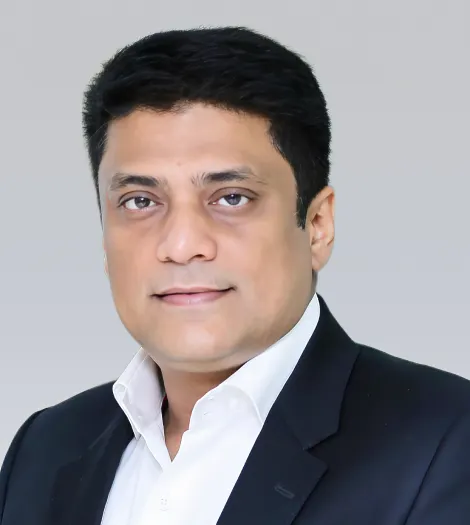
Founder, SFA Logistics Park, Dankuni, West Bengal
An Entrepreneurial Journey Amitesh Singh’s journey from his father’s small transport company to establishing SFA Logistics Park is a story of vision, resilience, and transformation in India’s logistics sector. Beginning in the early 1990s with jute transport, Singh soon expanded into cement and containerised cargo, gaining first-hand exposure to the inefficiencies of public rail sidings — congestion, unreliable labour, and limited infrastructure.
Founder, SFA Logistics Park, Dankuni, West Bengal
Reimagining Freight: The Journey of Amitesh Singh and SFA Logistics Park
Amitesh Singh’s journey from his father’s small transport company to establishing SFA Logistics Park is a story of vision, resilience, and transformation in India’s logistics sector. Beginning in the early 1990s with jute transport, Singh soon expanded into cement and containerised cargo, gaining first-hand exposure to the inefficiencies of public rail sidings — congestion, unreliable labour, and limited infrastructure.
Determined to create a solution, he envisioned a world-class private freight terminal that could integrate multimodal logistics, decongest cities, and enable seamless cargo movement. After 13 years of effort — acquiring nearly 40 acres from 200 farmers, navigating complex approvals, and assembling a committed team — his dream became reality.
In March 2025, SFA Logistics Park Pvt. Ltd. inaugurated Eastern India’s first Private Freight Terminal (PFT) at Dankuni, West Bengal, under the Gati Shakti Yojana. Spread over 36.5 acres, it features three full-length rail lines, 13,000+ sqm warehousing, and 24x7 operations, handling diverse commodities.
With over 7,00,000 tonnes of cargo handled, the terminal has already decongested Kolkata’s freight corridors, removed 15,000+ trucks from city roads, and is emerging as a critical hub shaping the future of freight in Eastern India.
Thirteen years of struggle, setbacks, and determination have culminated in a facility that not only modernises India’s logistics landscape but also embodies a deeper dream: to elevate freight movement into a driver of economic growth, sustainability, and efficiency.
Read the full story from the entrepreneur
I began my journey in the logistics sector by joining my father’s modest transport company. Back then, we primarily transported jute to North Indian states. The industry in the early ’90s was raw, unorganised, and widely undervalued. But watching my father work tirelessly, I was inspired to think beyond — to imagine a logistics ecosystem that was structured, efficient, and scalable.
Driven by this aspiration, I gradually started expanding our operations. By the late ’90s, we had ventured into transporting cement and containerised cargo, collaborating with industry leaders. This phase was a turning point — it exposed me to the professional side of logistics, where efficiency, innovation, and stakeholder satisfaction were paramount.
As India opened up economically, industrial demand surged. We saw a sharp uptick in the movement of cement, steel, and other raw materials. Simultaneously, the rise of containerised cargo transformed the logistics landscape — it was safer, easier to handle with machines, and eliminated the dependency on manual labour. We began managing rail cargo at public sidings across the state, but these came with numerous constraints — limited operational hours, labour unreliability, congestion within the city, and lack of infrastructure. This broken system frustrated me.
It was during this time that the idea took root: to build an integrated, world-class logistics hub that could not only decongest city traffic, but also redefine freight movement through seamless end-to-end solutions, automation, and dynamic operational capabilities.
That vision became a mission — to build a world-class private freight terminal that could unify all aspects of multimodal cargo handling. It took us 13 years to turn that dream into a reality. In March 2025, SFA Logistics Park Pvt. Ltd. inaugurated Eastern India’s first-of-its-kind Private Freight Terminal (PFT) at Dankuni, West Bengal, under the Government of India’s Gati Shakti Yojana.
The path to realising this vision, however, was anything but easy. Acquiring the land itself was a long and complex process — nearly 40 acres were assembled from around 200 individual landowners. Each transaction meant countless rounds of discussions, negotiations, and building trust with farmers, while also ensuring fair compensation and, in some cases, helping them relocate. It required patience, empathy, and a significant financial commitment before we could even begin construction.
Beyond land, the project demanded an extensive series of statutory approvals. From securing clearances for land acquisition and recognition as a State-Approved Industrial Park (SAIP), to inclusion under the Gati Shakti scheme and environmental permissions from the Pollution Control Board — every approval carried its own set of provisions, challenges, and subjectivities. Navigating this maze was daunting, but throughout the journey we were fortunate to receive invaluable cooperation and guidance from government officials, whose support was instrumental in moving such a huge project forward. Another major challenge was assembling a team of driven and capable individuals who could thrive in the demanding environment of a freight terminal. Operating such a facility requires exceptional focus, discipline, and efficiency, as the work is round the clock, relentless and the pressure unyielding. Every single day, the same high volume of cargo must be handled with the same intensity and precision. This places immense responsibility not only on managers but also on supervisors and ground staff alike — each of them must embody commitment and a results-driven mind set to keep the system running seamlessly.
Spread over 36.5 acres, this greenfield facility is a designated State-Approved Industrial Park (SAIP). Strategically located just 21 km from Kolkata and Howrah, it connects seamlessly to NH-2, Janai Road Railway Station, and the Eastern Dedicated Freight Corridor (EDFC). Our aim was clear: decongest urban freight corridors while strengthening regional and national supply chains.
Today, the terminal boasts three full-length rail lines with Engine-on-Load (EOL) provision, over 13,000 sqm of warehousing space and uninterrupted 24x7 operations. We handle an array of commodities — from cement and containers to steel and iron, NMG rakes, food grains, and FMCG products.
As part of the State Government’s ‘Green Kolkata’ mission, we’ve helped shift over 50% of rakes from congested urban sidings to Dankuni. This single move has taken more than 15,000 trucks off Kolkata’s roads — significantly reducing pollution, easing traffic, and lowering vehicle turnaround time.
In collaboration with the state government we’ve also encouraged a transition from open truck transport to containerised cargo, improving safety, sustainability, and transparency.
With over 7,00,000 tonnes of cargo handled to date, SFA Logistics Park has become a critical logistics hub for Eastern India. Our partners today include industry giants. As demand continues to rise, we anticipate a sharp increase in rake volume and truck traffic — and we are ready for it.
This journey, from scaling from a few trucks with my father to building one of India’s most advanced multimodal terminals, has taught me that true growth is never linear. It requires vision, resilience, and above all, collaboration. Success, for me, has always meant building together — with your team, your stakeholders, and your community.
After 13 years of unwavering commitment, I stand humbled and grateful. SFA Logistics Park is not just a company — it is a manifestation of a long-standing dream, a leap toward modernising India’s logistics landscape, and a platform built for the future of freight
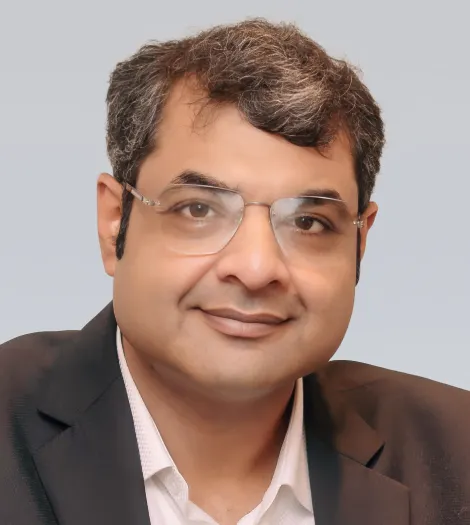
Founder, Ecoville
From Waste to Wonder: How Ecoville Is Redefining Plastic Recycling Anirudh Poddar, founder of Ecoville, transitioned from real estate and food processing into plastic waste recycling to pursue a more purpose-driven mission. Recognizing that plastic itself isn’t the problem, but rather its disposal, he launched a pilot recycling project in Kolkata’s Dhapa area in 2021. Overcoming early challenges, Ecoville grew into a facility processing 10–12 tons of plastic waste daily, supported by a 100 TPD Material Recovery Facility.
Founder, Ecoville
Anirudh Poddar, founder of Ecoville, transitioned from real estate and food processing into plastic waste recycling to pursue a more purpose-driven mission. Recognizing that plastic itself isn’t the problem, but rather its disposal, he launched a pilot recycling project in Kolkata’s Dhapa area in 2021. Overcoming early challenges, Ecoville grew into a facility processing 10–12 tons of plastic waste daily, supported by a 100 TPD Material Recovery Facility. Unlike typical recyclers, Ecoville focuses on soft, flexible plastics—an often neglected segment—and turns them into valuable products like recycled lumber, pallets, and boards. Looking ahead, the company aims to expand into recycled furniture, modular construction materials, and textile waste recycling. For Anirudh Poddar, Ecoville is more than a business—it’s a mission to turn environmental challenges into sustainable economic opportunities.
Read the full story from the entrepreneur
I began my career in real estate, where business was good but never truly fulfilling. Despite the financial success, I felt a persistent drive to do something different and create meaningful impact. This led me to venture into the food processing sector, where I set up a captive manufacturing unit in Ranchi (Jharkhand) for Parle Products, followed by another plant in Gaya (Bihar) for Haldiram’s and Amul. The growth was encouraging, and I was planning further expansion.
However, I continued to seek a venture that would be both challenging and purpose-driven, preferably in my home state of Bengal. Around this time, global conversations about the environmental dangers of plastic pollution were intensifying. During my research, I realised that plastic is too deeply integrated into our daily lives to be completely eliminated – the real issue lies in its disposal.
This understanding sparked the idea of recycling plastic waste. With growing judicial pressure on governments and municipalities to scientifically manage plastic waste, including legacy waste, I saw a viable and impactful business opportunity. To gain deeper insights, I visited the massive disposal site at Pirana in Gujarat, which gave me an initial vision of addressing Kolkata’s waste challenges at Dhapa.
At that time, PET bottle recycling was gaining traction in and around Kolkata, but PET bottles account for only a small portion of total plastic waste. I wanted to address the broader issue of mixed and contaminated plastics; especially those disposed of by households and dumped directly into landfills. With support from the Kolkata Municipal Corporation, I established a small pilot project at Dhapa in 2021 to recycle 2 tons of plastic waste per day.
The early journey came with its share of challenges, from ensuring a consistent supply of raw material to understanding the technical complexities of recycling. As demand grew, we expanded into a larger plant, but sourcing sufficient segregated plastic waste remained a bottleneck. This led to the idea of establishing a Material Recovery Facility (MRF) to bridge the gap in our supply chain by enabling sorting and segregation of waste at source.
Today, Ecoville operates a recycling plant processing 10–12 tons of plastic waste per day, alongside an integrated 100 TPD MRF, creating a truly circular and scalable business model. Our diverse output includes soft recycled plastics, recycled lumber, pallets, boards, and several value-added products catering to industries, packaging, and construction. Unlike most recyclers who focus on hard plastics, our processes specialise in converting soft flexible plastics, which is a segment often neglected, into durable and marketable products.
Looking ahead, we plan to diversify into recycled furniture, modular construction materials, innovative applications and post consumer textile waste recycling that convert environmental challenges into economic opportunities. For me, Ecoville is not just a business; it is a mission to address social and environmental problems while creating sustainable Waste from Wonder.
Through this journey, I’ve realised that true fulfilment lies in creating impact beyond profit. Ecoville is my way of transforming an environmental crisis into an opportunity for innovation, sustainability, and livelihoods. As we grow, my vision is to keep expanding our capabilities, address more complex waste streams, and build a future where waste is not a burden, but a resource that drives meaningful change for society and the planet.
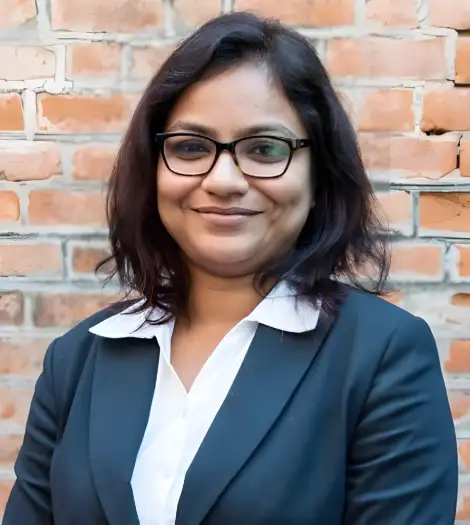
CEO, S. Shaha & Co.
A Woman’s Journey of Vision, Courage, and Construction Chandroma Saha, CEO of S. Shaha & Co., is a fourth-generation entrepreneur who pioneered prefabricated and pre-engineered building technologies in Eastern India. Starting in 2010 with just ₹3.5 lakhs and two people, she has since delivered 1,000+ buildings across 467 locations, earning national recognition, including The Economic Times’ Most Influential Entrepreneur in Construction Industry. Overcoming challenges of capital, manpower, and gender bias, she built a trusted brand with 80% repeat clients. An alumna of MIT Sloan and IIM Ahmedabad, Chandroma now leads Buildall Smart Technologies, driving AI-powered, sustainable, and modular construction solutions for India and global markets.
CEO, S. Shaha & Co.
Chandroma Saha, CEO of S. Shaha & Co., is a fourth-generation entrepreneur who pioneered prefabricated and pre-engineered building technologies in Eastern India. Starting in 2010 with just ₹3.5 lakhs and two people, she has since delivered 1,000+ buildings across 467 locations, earning national recognition, including The Economic Times’ Most Influential Entrepreneur in Construction Industry. Overcoming challenges of capital, manpower, and gender bias, she built a trusted brand with 80% repeat clients. An alumna of MIT Sloan and IIM Ahmedabad, Chandroma now leads Buildall Smart Technologies, driving AI-powered, sustainable, and modular construction solutions for India and global markets.
Read the full story from the entrepreneur
I come from a family engaged in the trading of steel. While the business was steady, I had always wanted to create something new that left a larger impact. After finishing college and returning home, I chanced upon the concept of pre-engineered and prefabricated buildings in a conversation with the then President of Tata Steel. The idea fascinated me. India was growing rapidly, and it was clear that the country would need infrastructure that could be built faster, more efficiently, and at lower cost. The thought that one could deliver a fully finished building in a matter of weeks, where only bare land existed before, sparked my imagination.
In 2010, with no family background in construction, I decided to take the leap. I borrowed ₹3.5 lakhs from my father, at high interest and started with a small team of two people under the banner of our trading company, S. Shaha & Co. My first turnkey project was for the Ramakrishna Mission at Belghoria- a warehouse and a 1-BHK unit. I knew little about construction at the time, but I learned everything on the job—from engineers, contractors, workers, and through countless client interactions. When we delivered the warehouse in just six weeks, I was convinced that prefab construction was the future of India’s infrastructure.
Our first major breakthrough came later that same year when Tata BlueScope Steel entrusted us with the construction of 76 buildings for their upcoming plant in Jamshedpur. Each building had specific technical requirements, and for a young company, the project was a massive test of capability. We completed it successfully, proving that we could compete and deliver at an industrial scale.
In 2013, another defining milestone came with the Government of Odisha awarding us 26 school buildings to be built within 90 days. The challenge was immense: 26 remote locations, tight deadlines, and the emotional responsibility of building after a cyclone had destroyed existing schools. These structures had to be not only fast to erect but also strong enough to withstand future cyclones. We delivered them on time, and the schools continue to stand firm today—something that makes me deeply proud.
Two years later, in 2015, we received our largest direct government order yet- 87 buildings from the Military Engineering Services (MES). This project cemented our reputation in the government sector, opening doors to larger opportunities. Another highlight came with the Maitree Museum, a project that required design finesse and precision execution. Each of these milestones stretched us further, shaped our expertise, and built credibility for S. Shaha & Co.
The journey was never without hurdles. Skilled manpower was scarce, as few engineers were trained in prefabricated technologies at the time. We had to recruit fresh graduates and train them extensively. Capital was another constraint—we built our factory from our own earnings, avoiding heavy debt. Perhaps the most personal challenge was breaking through as a woman entrepreneur in the steel and construction industry. Many clients refused to believe that the company was mine or that I could deliver what I promised. But every project completed successfully added to our credibility, and over time, perceptions changed.
Through it all, my philosophy has been simple: challenges excite me. I never focus on why something cannot be done, only on how it can be achieved. I sought advice from my parents, especially my father, who patiently listened to my late-night ideas. I studied global trends, learned from consultants and architects, and continuously adapted. Importantly, I also sought to change the gender imbalance in the industry by encouraging more women to enter construction and actively hiring them in different roles.
Today, S. Shaha & Co. has completed over 1,000 buildings across 467 locations, serving more than 150 customers nationwide. Nearly 80% of our business comes from repeat or referral clients, which to me is the greatest endorsement of trust and quality. Our buildings have endured monsoons, cyclones, and natural disasters, yet they continue to stand tall—silent testimony to resilience and reliability.
Looking ahead, my next chapter is Buildall Smart Technologies. Here, my vision is to create AI-powered modular, portable, and foldable buildings using only sustainable materials. We plan to expand across India and into global markets, bringing smarter, greener, and faster construction solutions to a world that increasingly demands them. Alongside, I continue to manage distribution businesses like Tata Agrico and Tata Pravesh, which complement our core operations and add stability to our portfolio.
From a modest beginning with ₹3.5 lakhs and two people, to delivering 1,000+ buildings and shaping a new era of prefabricated construction in India, the journey has been both humbling and rewarding. And with Buildall, the story has only just begun.
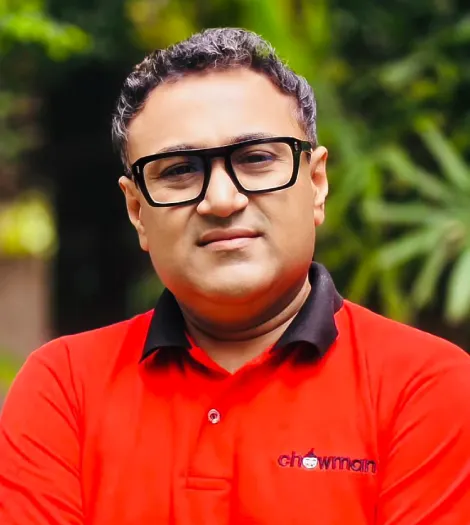
Managing Director, Chowman and Founding member of popular Bengali rock band Lakkhichhara
How a Kolkata Rocker Built India’s Fastest-Growing Chinese Kitchen Debaditya Chaudhury, musician-turned-restaurateur, shares the story behind the creation of Chowman, one of India’s fastest-growing Chinese restaurant chains. Growing up next to a Chinese eatery in Kolkata and later touring Asia as part of his rock band Lakkhichhara, Debaditya Chaudhury developed a deep appreciation for authentic Chinese cuisine. Noticing a gap between fine-dining and street food in India, he launched Chowman in 2010 with a bold vision: to serve five-star Chinese food at affordable prices.
Managing Director, Chowman and Founding member of popular Bengali rock band Lakkhichhara
Debaditya Chaudhury, musician-turned-restaurateur, shares the story behind the creation of Chowman, one of India’s fastest-growing Chinese restaurant chains. Growing up next to a Chinese eatery in Kolkata and later touring Asia as part of his rock band Lakkhichhara, Debaditya Chaudhury developed a deep appreciation for authentic Chinese cuisine. Noticing a gap between fine-dining and street food in India, he launched Chowman in 2010 with a bold vision: to serve five-star Chinese food at affordable prices. What started as a 365 sq. ft. outlet has now become a nationwide movement, with over 35 locations and thousands of team members. Along the way, he also co-founded Oudh 1590 and Chapter 2, celebrating Awadhi and retro-continental cuisines. Driven by instinct, risk, and passion, Debaditya Chaudhury’s journey is a blend of food, music, and fearless entrepreneurship-with the belief that great experiences should be for everyone.
Read the full story from the entrepreneur
I’ve always believed that life isn’t lived in straight lines, instead, it is improvised, raw, and often unpredictable. My journey with Chowman wasn’t born out of a blueprint or a gourmet epiphany. It came from two core beats of my life—my love for food and my journey as a musician.
But if I really trace it back, perhaps the spark began in my own neighbourhood.
I grew up next to a Chinese restaurant called Kim Wah - a little neighbourhood witnessing queues lined up for their fix of fried rice and chilli chicken. Kim Wah became part of my growing up. In a way, I grew up with Chinese food as much as maa’s home-cooked meals, flavouring my childhood with a curious kind of contrast.
As a child, my interest in food wasn’t in cooking - it was in tasting. I was the guy stealing bites from my classmates' tiffin boxes, and mentally listing the best. I never thought of food as a career. But I had a sense for flavours early on.
It was during the sophomore years that opened up a whole new avenue. I was studying at St. Xavier’s, when I found my tribe—wild-hearted, music-loving misfits like me. That’s how Lakkhichhara was born. It was a band that wasn’t just about notes and chords—it was passion personified. We weren’t just playing music; we were rewriting the pulse of Bengali rock in the late '90s. From college stages to international gigs, we became a name Bengal knew, and sang along with.
During those tours—in Thailand, China, Japan, Hong Kong, I tasted Chinese food in its real, unfiltered form. It was light, balanced, soulful. Not the heavy, sauce-drenched versions we grew up calling “Chinese” in India. Back in Kolkata, I hosted a radio show, named Khetey Khetey Shono, where I explored Kolkata’s food scene—from legendary cabins to forgotten street stalls. What struck me was this dichotomy: on one hand, fine-dining spaces that were too posh to feel real; on the other, street stalls lined up in every corner. There was a missing middle—an authentic, quality-driven, accessible dining experience. I wanted to fill that void.
And that’s how Chowman was born in 2010. No glitz, but just a 365 sq ft space, three employees, and one mad dream—to serve five-star Chinese food at a one-star price. Authentic, flavourful, unapologetically bold. Those early days were brutal. I'd finish my band work, hop on my Enfield; deliver food, handle closing cash, and reach home at 3 a.m. only to be back by morning, prepping for another day. But I never thought of giving up. I simply couldn’t. I had tasted both music and madness and Chowman was a mix of both. Within a year, love started pouring in. We opened two more outlets—one of them, our base kitchen in Jadavpur. Chowman began to grow beyond expectation, and so did my hunger to explore further. That’s when Oudh 1590 came alive, venturing alongside my elder brother, Shiladitya —an ode to Awadhi culture, bringing back the regal legacy of Lucknow’s kitchens. Then came Chapter 2, a throwback to the Calcutta of 1940s-70s, a place where retro dining met continental flair.
But Chowman become more than a brand. It was a movement. So when 2020 struck and the world locked down, we unlocked something new. We went national. Bangalore welcomed us with open arms. Then came Delhi-NCR, Hyderabad, and now, Mumbai, with upcoming expansion planned across Pune, Chennai, Chandigarh, and the tier-2 cities in the coming days.
Today, Chowman is more than a restaurant chain—it’s over 35 outlets, 2000 team members, and millions of satisfied cravings across the country. But more than the numbers, it’s a motto of democratizing experiences and flavours that should have no class, where food can be fine without being fancy, where dream can turn into reality. Chowman is built on instinct, risk, and a whole lot of hard work. And as I always say, sky is just the beginning.
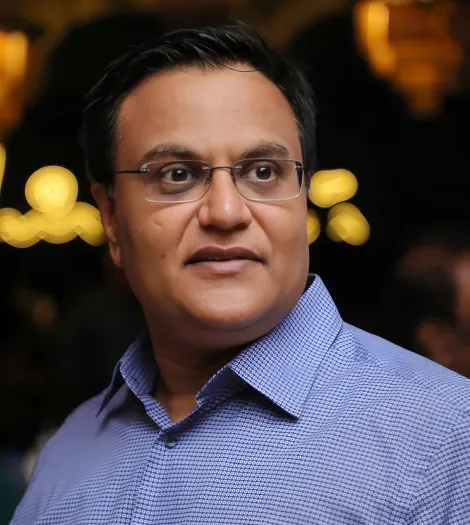
Founder & Promoter, Magpet – India’s First PET Circular Enterprise
Leading India’s PET Packaging into a Circular Future In 1999, Devendra Surana launched Magpet with just ₹9 lakhs and a vision to make a mark in India’s PET packaging industry. Today, that vision has evolved into India’s first fully circular PET enterprise, with a production footprint of 95,000 TPA and a mission that goes beyond business: to balance profit with people and the planet.
Founder & Promoter, Magpet – India’s First PET Circular Enterprise
In 1999, Devendra Surana launched Magpet with just ₹9 lakhs and a vision to make a mark in India’s PET packaging industry. Today, that vision has evolved into India’s first fully circular PET enterprise, with a production footprint of 95,000 TPA and a mission that goes beyond business: to balance profit with people and the planet.
Born and raised in Kolkata, Devendra’s journey is rooted in education, values, and innovation. After earning his MBA from Bond University in Australia, he adopted the principle of separating ownership from management—a belief that would shape Magpet’s professional culture. Under his leadership, Magpet grew from a single facility to a regional powerhouse, expanding into Assam and West Bengal, with state-of-the-art plants and cutting-edge technology.
But for Devendra, growth wasn’t enough. As plastic waste became a global concern, he saw an opportunity to lead responsibly. After completing the Owner/President Management (OPM) program at Harvard Business School, he steered Magpet toward circularity. In 2023, Magpet launched India’s largest food-grade bottle-to-bottle PET resin facility in Kharagpur, capable of processing 45,000 TPA—turning used plastic into safe, reusable material.
Guided by the core values of trust and transparency, Devendra believes that credibility is a greater currency than capital. His vision is to create a legacy of innovation, inclusivity, and environmental stewardship.
As Magpet scales further, its focus remains clear: transforming plastic from a problem into a purpose.
Read the full story from the entrepreneur
I’m Devendra Surana, founder and promoter of Magpet, one of India’s leading PET packaging companies and a pioneer in circular plastic solutions. What began in 1999 as a modest venture with ₹9 lakhs in capital and ₹40 lakhs in annual turnover has grown into Eastern India’s largest PET convertor. Today, Magpet stands at the forefront of India’s transition toward sustainable packaging, with a clear mission to become the country’s first truly circular PET enterprise.
Roots and Realizations Born and raised in Kolkata, I come from a family that valued education deeply, especially at a time when access to it was scarce. That foundation, followed by a Bachelor of Commerce in Kolkata and an MBA from Bond University in Australia, shaped my entrepreneurial thinking. At Bond, I encountered a powerful idea that changed how I build businesses: the importance of separating ownership from management. That insight has since guided my efforts to create professionally run, values-driven organizations with long-term vision.
The 1st P – Profit
Like most entrepreneurs, I began with the traditional yardstick of profit. The early years were far from easy, setbacks tested my resolve but taught me the value of discipline, customer insight, and strategic thinking. In 2003, I restructured Magpet in Kolkata with renewed clarity and focus. A new generation of molds, better machinery, and deeper customer alignment allowed us to outpace competitors and build a steady foundation for growth.
By 2008, Magpet had emerged as a regional leader. Riding the wave of industrial development policies in the Northeast, we expanded to Assam, establishing what would become three facilities serving the entire North Eastern region.
In 2015, driven by the belief that a promoter must be an enabler, I led the creation of a state-of-the-art preform facility in Hooghly, West Bengal. What began with a capacity of 4,000 TPA has grown nine fold to 36,000 TPA in under a decade, powered by technology, discipline, and vision.
The 2nd P – People
As Magpet’s scale increased, I realized that my true role was to build the next layer of leadership. The business could no longer depend on any single individual, not even the founder. Building a strong, empowered team became my top priority. While financial capital came from banks and internal accruals, human capital demanded both intuition and rigour.
Hiring great people, I learned, is both an art and a science—and often, a bit of luck. I dedicated my time to nurturing leaders who could take independent ownership of their roles. In a commoditized sector like PET packaging, where the competitive gap is rarely more than 3–5 years, staying ahead requires relentless improvement. We continually invested in cutting-edge tools, technologies, and quality processes to maintain our advantage.
The 3rd P – Planet
By 2019, the PET packaging business was nearing a plateau. Growth via efficiency and technology alone wasn’t going to be enough. I felt an urge to redefine Magpet’s purpose and my own. I enrolled in the Owner/President Management (OPM) program at Harvard Business School, where the case method teaching helped me understand how legacy businesses evolve to stay relevant.
It was at Harvard that I embraced a more holistic framework: Profit, People, and Planet. Around this time, plastics, especially single-use ones were coming under global scrutiny. But I knew that plastic, especially PET, had unmatched advantages in mobility, hygiene, and affordability and also the highest collection rate of >90% in India. What it needed was a responsible system of circularity.
Clarity came with India’s Plastic Waste Management Rules, 2016, which validated PET as a material fit for recycling into food-grade applications, following standards already proven in the EU. It was a 'Do-It-Now’ moment for Magpet.
We committed to one of our most ambitious projects: setting up India’s largest food-grade bottle-to-bottle PET resin plant in Kharagpur, West Bengal. With a capacity of 45,000 tons, the facility has drawn global investment and regulatory validation, making Magpet the nation’s first PET Circular Enterprise.
Guiding Values: Trust & Transparency Two values have anchored my journey: trust and transparency. These aren’t just slogans—they define how we engage with employees, customers, regulators, and communities. I’ve always believed that credibility is a greater currency than capital, and transparency the bedrock of meaningful partnerships.
The Road Ahead
With a PET packaging capacity of 50,000 TPA, and a circular PET resin capacity of 45,000 TPA, Magpet is positioned for its next chapter—one that continues to balance scale with sustainability, and profit with purpose. We will continue to build on the principles that brought us here: trust, transparency, and teamwork.
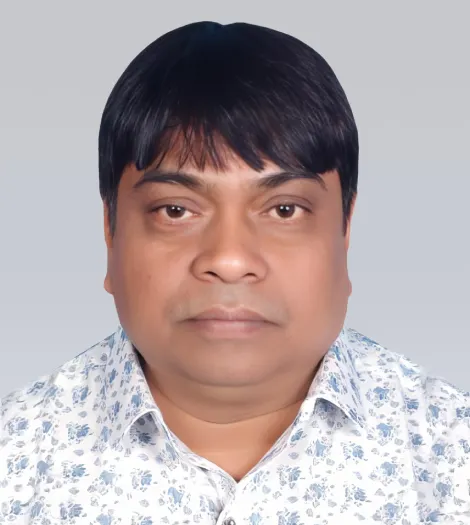
Director, Abhishek Glass Industries Limited and A First-Generation Entrepreneur
Two-Decade Ascent From Hardship to Industry Leadership Naresh Sharma, Director of Abhishek Glass Industries Limited, is a first-generation entrepreneur who rose from humble beginnings to become a leader in India’s architectural solutions industry. Born in Gaya, Bihar, he moved to Ukhra, West Bengal, at age eight to join his father’s sawmill business. By 15, he had entered entrepreneurship, facing early failures in plywood trading due to financial instability.
Director, Abhishek Glass Industries Limited and A First-Generation Entrepreneur
Naresh Sharma, Director of Abhishek Glass Industries Limited, is a first-generation entrepreneur who rose from humble beginnings to become a leader in India’s architectural solutions industry. Born in Gaya, Bihar, he moved to Ukhra, West Bengal, at age eight to join his father’s sawmill business. By 15, he had entered entrepreneurship, facing early failures in plywood trading due to financial instability.
Undeterred, Naresh Sharma persevered through hardships—spending over 1.5 years seeking bank loans—until finally securing funding from the State Bank of India. In 1993, he launched Sharma Furniture, laying the foundation for future ventures. After a brief foray into nail manufacturing, he refocused on glass, expanding operations across eastern India.
In 2015, Naresh Sharma founded Abhishek Glass Industries, producing toughened and decorative glass under the AGITUFF brand. Over the years, the company diversified into architectural hardware, silicon sealants, and aluminium composite panels (ACP), becoming a one-stop architectural solution provider. By 2025, the company had doubled its production capacity.
Today, AGITUFF serves markets across India and exports to several countries including the USA, Australia, and Southeast Asia. With 200+ employees, multiple awards, and a deep commitment to mentoring new entrepreneurs, Naresh Sharma's journey stands as a testament to resilience, vision, and the power of persistence.
Read the full story from the entrepreneur
Humble Beginnings
My journey began in 1960 when my father, Late Manki Sharma, moved to Ukhra, West Bengal, seeking financial stability. During that period, I remained in my birthplace, Gaya, Bihar, with my mother and sisters. My father established the first saw mill in Ukhra and its neighboring areas. After my grandfather passed away, I shifted to Ukhra at the age of eight, along with my family, to live with my father and support the business, as well as continue my education. I completed my schooling in Ukhra.
Embracing Entrepreneurship While still a student, I joined my father’s timber business at the age of 15, and together we found considerable success. However, my aspirations pushed me toward pursuing something more sophisticated and independent.
At 16, I ventured into plywood trading—a business that unfortunately failed due to financial instability. Undeterred by the setback, I rebranded a year later as "Sharma Traders." Yet again, financial limitations and credit issues led to another failure.
Turning Struggles Into Success
Despite these challenges, my determination remained unshaken. Two years later, I sought to restart my business by securing a loan. My father and I tirelessly visited numerous banks and financial institutions, enduring long journeys on a motorbike for over 1.5 years—sometimes spending as much on fuel as we hoped to earn. Our perseverance finally paid off when Mr. P.K. Bhattacharya, Branch Manager of State Bank of India, Khandra, approved a loan of ₹1,45,000. This marked the turning point in my entrepreneurial journey.
Building and Growing New Ventures
On 23rd January 1993, I founded "Sharma Furniture," specializing in plywood, furniture fixtures, and glass. With limited resources, I handled installations personally, reflecting my dedication and hands-on approach.
Driven by the desire to create something significant, I took another loan to start a new industry. In 2004, I entered manufacturing by setting up a wire nail unit. Market volatility and intense competition forced its closure in 2007. I then redirected my focus toward expanding my glass business, launching wholesale operations from Asansol to Durgapur, which proved successful.
The Rise of Abhishek Glass Industries
Pursuing a larger vision, I aspired to build a glass processing unit. After a year-long pursuit of funding, Allahabad Bank, Ukhra Branch, sanctioned a loan. In 2015, the foundations of "Abhishek Glass Industries" were laid, and commercial production began in April 2016 with toughened glass.
Over time, our product range grew to include: Insulating glass, Laminated glass, Switchable glass, Decorative glass, Bend glass, all under the brand name AGITUFF.
Diversification and Expansion
2018: AGITUFF expanded into architectural hardware solutions, constantly growing in variety and application.
2019: We launched silicon sealants, strengthening our architectural portfolio.
2021: I set a new ambition: manufacturing Aluminium Composite Panels (ACP). After extensive efforts, in August 2022, the Bank of India, Andal Branch, sanctioned the required loan. The foundation of "Abhishek Glass Industries Limited" was laid the very same month.
July 2023: We began commercial production of ACP under the AGITUFF brand, making us a comprehensive provider of architectural solutions—glass, hardware, and ACP.
2025: Marked a major milestone with the expansion of our glass unit, doubling our production capacity.
Market Presence
As on today, AGITUFF serves markets across India and exports to several countries-
In India: West Bengal, Bihar, Jharkhand, Odisha, Sikkim, Assam, Arunachal Pradesh, Mizoram, Manipur, Nagaland, Tripura, Meghalaya
Globally: Nepal, Bhutan, Bangladesh, Malaysia, Vietnam, USA, and Australia We now have approximately 200 dedicated employees as part of the AGITUFF family
Recognitions We have been recognised as the Best Glass Processor in Eastern India, India 5000 Best MSME Award, India SME 100 Award.
Leadership, Mentorship, and Achievements Today, I proudly support new entrepreneurs in launching their own businesses and guiding them to choose entrepreneurship over employment. Under my mentorship, three new micro-industries were established.
Looking Ahead From a small-town beginning, with the unwavering support and dedication of my sons and with a steadfast commitment to quality and innovation, our business has not only transformed the local economy but is also leaving its mark globally. Our story is a testament to the spirit of entrepreneurship, resilience, and visionary leadership. “Success is born out of constant learning, determination, and courage to try again after every failure.”

Founder & Managing Partner – Q Industrial Park
Transforming land into opportunity Q Industrial Park is a pioneering industrial land development initiative in Hooghly, West Bengal. Navin Saraf, Founder & Managing Partner transitioned from family’s legacy jute packaging business into industrial real estate, identifying a critical gap: access to organized, ready-to-use industrial land.
Founder & Managing Partner – Q Industrial Park
Q Industrial Park is a pioneering industrial land development initiative in Hooghly, West Bengal. Navin Saraf, Founder & Managing Partner transitioned from family’s legacy jute packaging business into industrial real estate, identifying a critical gap: access to organized, ready-to-use industrial land.
In 2016, Navin Saraf launched Q Industrial Park with a vision to simplify and accelerate industrial growth outside metro limits. What started with 100 acres in Dhaniakhali has grown into a multi-phase, government-approved industrial ecosystem across 450+ acres - serving MSMEs and large industries alike.
Approved under the SAIP scheme of the Govt. of West Bengal, Q Industrial Parks solves end-to-end pain points for industrial land buyers: from title clearance to conversion to infrastructure delivery within specific timeline
Read the full story from the entrepreneur
My Journey with Q Industrial Park – Building industrial infrastructure where it matters most
I’m Navin Saraf, 43 years old, happily married to Mitu, and blessed with two wonderful sons – Darsh and Shaivansh. My journey into business started early. After completing my higher secondary education from BGKV, Salt Lake, I joined our five-decade-old family business of jute bags and allied products in the year 2000. Honestly, I was never a very studious person – by a stroke of luck, I got admission into Bhawanipur College (Evening). That’s where my practical learning in business truly began.
I took charge of the accounts division and focused on building our client base by supplying jute products to feed mills, rice mills, and big names like DCW, Amul India, and many more. In 2008, a new opportunity came my way - importing jute goods from Bangladesh and distributing them across India. The business flourished initially, but the market soon became saturated, and margins began shrinking as major traders started importing directly.
Around 2015, I found myself searching for a new direction. In March 2016, I joined BNI (Business Network International), where business happens over breakfast. This was a turning point in my life. I realized the power of networking and the importance of meeting people — something I hadn’t truly valued until then.
At the same time, we owned a small piece of scattered vacant land in Dhaniakhali, Hooghly district — approximately 60 km from Kolkata. Initially, the idea was to consolidate the land for resale or personal use. A land aggregator working with us suggested I venture into industrial plotting, claiming there was high demand. Truth be told, I had zero knowledge about land or plotting — and traveling 60 km regularly seemed like a big hurdle, not just for me but for most people from Kolkata.
Still, I took up the challenge. Between 2015 and 2017, I consolidated the land and began spreading the word quietly. In 2018, with just a plotting plan saved in my phone gallery, I started sharing the concept informally. Most people reacted with concerns about the distance.
Then came a fateful coffee meeting in January 2019 with my BNI friend Priyank. On casual discussion, I showed him the plan. In just five minutes, he booked a plot for himself. That one booking gave me the motivation and confidence to move forward. Priyank not only believed in me, but also started promoting it better than I did. Ironically, many people told him he had made a poor decision — but his trust kept me going.
In August 2019, I got the opportunity to showcase my project – Q Industrial Park – at a city-wide event organized by BNI Kolkata at JW Marriott. From there, both my name and my park began getting recognized. People started visiting regularly. I made it a point to learn from every interaction and evolved to the point where I could transform vacant land into an industrial park within 15 days.
I realized that in Kolkata, land buying is still an unorganized sector. For most buyers, it’s painful – from title search to mutation to conversion into industrial land. That’s where we stepped in – as solution providers. We bridged the gap.
Then came 2020 - a year of global change. Ironically, it also changed how people in Kolkata viewed road travel. Suddenly, 60 km didn’t seem far anymore. In March 2021, a client introduced me to IAS Mr. Rajiva Sinha, then Chairman of WBIDC. Thanks to his guidance and support, our park got approved under the SAIP scheme of the State Government.
With that momentum, I began acquiring land for Q2 in 2021, and by March 2022, we launched Q3. Development on both parks started in December 2022.
Now all our parks are growing rapidly under SAIP scheme of Govt of West Bengal:
Received final approval for 61 acres
Ganeshpur mouza, Hooghly Received in-principle approval for 60 acres
Received in-principle approval for 62 acres
My biggest lessons?
Networking, marketing, and building a brand are everything. Today, I leave no stone unturned. I’m actively associated with all major trade and social bodies across the country. These connections help me learn, grow, and yes – sales naturally follow.
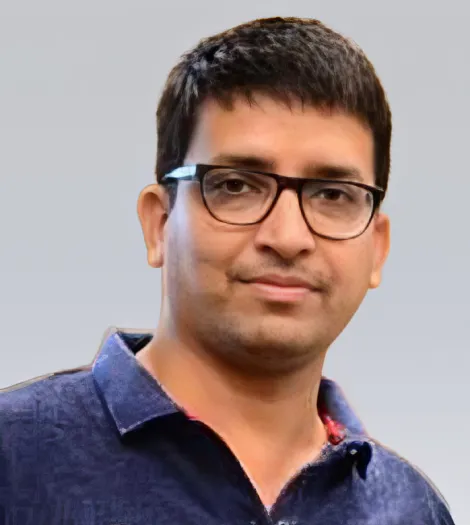
Director, Darjeeling Gardens Pvt. Ltd. | Co-founder, ClickOrchid.com
The Orchid Journey Prasant Choudhary, originally an architect and interior designer, transitioned into floriculture after a life-changing encounter with orchids in Sikkim in 2007. Despite having no formal background in horticulture, he founded Darjeeling Gardens Pvt. Ltd., starting with a small orchid farm in Mirik, Darjeeling. Through persistence and innovation, the venture grew into one of India’s largest orchid farms, including a 13-acre tropical facility in Siliguri, producing over a million orchid plants annually and collaborating with more than 3,000 vendors nationwide.
Director, Darjeeling Gardens Pvt. Ltd. | Co-founder, ClickOrchid.com
Prasant Choudhary, originally an architect and interior designer, transitioned into floriculture after a life-changing encounter with orchids in Sikkim in 2007. Despite having no formal background in horticulture, he founded Darjeeling Gardens Pvt. Ltd., starting with a small orchid farm in Mirik, Darjeeling. Through persistence and innovation, the venture grew into one of India’s largest orchid farms, including a 13-acre tropical facility in Siliguri, producing over a million orchid plants annually and collaborating with more than 3,000 vendors nationwide.
In 2020, Prasant Choudhury co-founded ClickOrchid.com, India’s first e-commerce platform dedicated to orchids, now serving over 10,000 orchid enthusiasts. His work is deeply rooted in community development, supporting over 900 cooperative growers across the Siliguri-Darjeeling region. Landmark achievements include the establishment of India’s first Orchid Park in Kaziranga, Assam, and the international recognition of the Cymbidium ‘Darjeeling Glory’ hybrid.
Prasant Choudhary’s journey is a testament to passion, perseverance, and purpose — transforming a personal fascination into a thriving enterprise that empowers communities and puts Indian orchids on the global map.
Read the full story from the entrepreneur
I began my professional journey in 2001, as an interior designer and architect. My work took me across the vibrant and diverse landscapes of Northeast India, engaging in government and private projects that shaped communities and infrastructure. One of my most memorable moments was being honored by the Government of Sikkim for my work on the Daramdin Sai Temple. But little did I know then — something even more meaningful was waiting for me.
It was in Sikkim, in 2007, amidst misty hills and wild orchids, that I encountered a flower that would change my life — the orchid. The beauty and elegance of this plant captivated me instantly. But beyond its charm, I saw something greater: an opportunity — an untapped potential for a sustainable business, for community growth, and for India’s floricultural future.
With no formal background in horticulture, I made a bold decision. I founded Darjeeling Gardens Pvt. Ltd., starting with a modest 3-acre temperate orchid farm in Mirik, Darjeeling. It was tough. We lacked technical expertise, resources were limited, and failures were frequent. But we didn’t give up. We learned, we experimented, we stayed patient — and above all, we believed in the dream.
In 2016, our dream expanded. We set up a 13-acre tropical orchid project in Siliguri — one of the largest of its kind in India. My vision was clear: to make Siliguri the Orchid Hub of the country. Today, that vision has blossomed into a reality. We work with 3,000 vendors across India, and our farm produces over 1 million orchid plants annually.
But I wanted to go beyond commercial success. In 2020, we launched ClickOrchid.com — India’s first e-commerce platform dedicated to orchids. The idea was simple yet revolutionary: Orchids can be grown by anyone, anywhere. What started as a dream is now a growing online community of over 10,000 registered orchid lovers from every corner of the country.
At the heart of my journey has been a deep desire to uplift and include local communities. That’s why we introduced a cooperative farming model — training and supporting over 900 local growers across 13,5000 square meters of polyhouse area around Siliguri and Darjeeling. For me, our motto "We grow with growers" isn’t just a line — it’s a promise. A promise to grow together.
One of our proudest milestones has been creating India’s first Orchid Park in Kaziranga, Assam — a vibrant celebration of biodiversity that showcases over 500 orchid species from the Northeast, especially from Assam. It is not just a park; it is a symbol of our region’s natural wealth and a gift to future generations.
Another moment of pride was when one of our own hybrids was internationally registered as Cymbidium ‘Darjeeling Glory’ — a shining representation of India on the global stage in orchid hybridization. That name, “Darjeeling Glory,” is not just a flower — it’s our story.
Looking back, it’s been a journey of passion, perseverance, and purpose. From the blueprints of buildings to the blooms of orchids, I’ve learned that the most beautiful dreams often grow slowly — but they grow strong.
This is more than just my story — it’s the story of hundreds of farmers, thousands of plants, and a country that’s now beginning to fall in love with orchids.
And we’re just getting started.
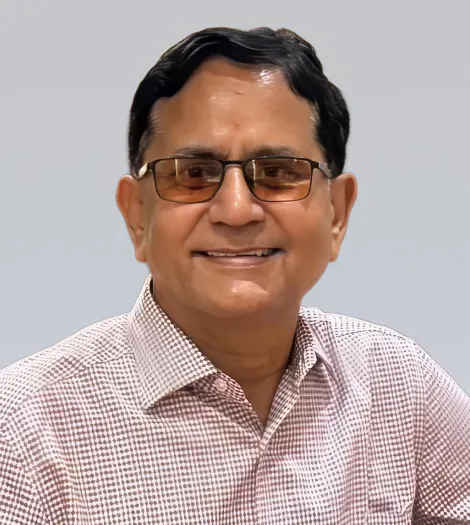
Founder member of FULBARI INDUSTRIAL PARK, West Bengal’s first completed Industrial Park under the State’s Scheme for Approved Industrial Parks SAIP
The Man behind West Bengal’s First SAIP Industrial Park Ratan Kumar Bihani, a seasoned entrepreneur from Siliguri, West Bengal, has over 50 years of experience in the plastic recycling and manufacturing sector. His entrepreneurial journey began in childhood, helping manage his family’s small-scale milk and flour mill businesses. In 1974, he co-established the first plastic recycling unit in Northeast India, pioneering in-house R&D and expanding into five successful plastic processing units.
Founder member of FULBARI INDUSTRIAL PARK, West Bengal’s first completed Industrial Park under the State’s Scheme for Approved Industrial Parks SAIP
Ratan Kumar Bihani, a seasoned entrepreneur from Siliguri, West Bengal, has over 50 years of experience in the plastic recycling and manufacturing sector. His entrepreneurial journey began in childhood, helping manage his family’s small-scale milk and flour mill businesses. In 1974, he co-established the first plastic recycling unit in Northeast India, pioneering in-house R&D and expanding into five successful plastic processing units.
In 2018, driven by a vision to improve industrial infrastructure, he co-founded Fulbari Industrial Park under the Government of West Bengal’s SAIP (Scheme for Approved Industrial Parks) initiative. Completed in 2021, Fulbari became the first completed SAIP Industrial Park in the state, now housing over 45 operational factories and employing more than 1,200 people. Despite facing legal hurdles from fraudulent land claims, Mr. Ratan Kumar Bihani’s resilience and commitment to integrity ensured the project’s completion and long-term success.
Beyond business, he is deeply involved in various social, charitable, and industry organizations, and is guided by the teachings of the Bhagavad Gita as a devoted follower of Lord Krishna. His journey is a testament to entrepreneurial vision, ethical leadership, and the power of perseverance.
Read the full story from the entrepreneur
I was born in Siliguri, West Bengal, where I grew up, completed my schooling, and done my graduation. My journey in entrepreneurship began at a very young age. When I was in Class 4. Our family owned five to six Jersey cows at that time, and we used to sale milk from our house. At that age I started taking interest about our milk trading and took the responsibility for maintaining the accounts. By Class 8 or 9, we had started an Atta Chaki (flour mill), which I began to manage.
In 1974, during my first year of college, my father established a plastic recycling plant in Siliguri — the first of its kind in the entire North-Eastern region of India. We collected plastic waste, thoroughly washed and cleaned it, processed it into granules, and sold them to Kolkata. Later, we expanded our activity and started manufacturing of plastic bags and products using these recycled granules. My experience in plastic recycling sector is over 50 years at present, and I personally operated the machines during the initial days of our plastic recycling venture. Since this technology was still new, we conducted significant in-house research and development for plastic washing and cleaning. We successfully designed and built our own washing plant for our plastic recycling unit. Gradually, we expanded our business further and established five plastic processing units in Siliguri, including units in Siliguri Industrial Park and Dabgram Industrial Park.
In 2004, I also ventured into the real estate sector. While participating in various MSME programs, I joined the flagship event “Siliguri Synergy on MSMEs” in 2014 held in Siliguri, organised by the Department of MSME&T, Government of West Bengal. I was impressed to see the department coming to our doorstep to listen to our issues and suggestions. One of the outcomes, possibly influenced by our feedback on the scarcity of developed industrial land, was the launch of the SAIP scheme (Scheme for Approved Industrial Parks) in 2014. The scheme encouraged private developers to establish industrial parks on their own land with streamlined government support and clearances. It attracted me and give me the confidence that, if the scheme was properly implemented, this scheme could revolutionize industrial infrastructure in West Bengal.
In 2018, along with a few associates, I proposed an industrial park namely FULBARI INDUSTRIAL PARK in Jalpaiguri district on 44 acres of land. By 2021, the project was completed and 84 industrial plots were allotted to entrepreneurs. Today, around 45 factories are operational providing employment to over 1,200 people in the said Industrial Park. The Industrial Park includes modern infrastructure, like, the entire industrial park is bounded by boundary wall, wide pakka roads, roadside surface drainage system, green zones, electrical infrastructure, common firefighting infrastructure, streetlights, parking area, CCTV surveillance, solid waste management areas, main gates, a canteen, a 4-room guest house, and even a temple. With my prior experience in managing industrial units in other industrial park, we tried to ensure a sustainable and investor-friendly ecosystem in FULBARI INDUSTRIAL PARK. This became the first successfully completed SAIP Industrial Park in West Bengal, widely appreciated for its planning, execution, and maintenance. I personally take pride by developing the park in compliance to the then newly launched SAIP scheme.
However, our journey faced a serious challenge. One day, we received a court stay order from a Jalpaiguri lawyer, claiming that the land which was purchased by our predecessors back in 1961 now belonged to someone else. A group of land mafias had filed fraudulent claims using fabricated documents. We refused to yield to their threats or extortion plan. Instead, we fought a ten-month long legal battle, during which all work was stalled. Eventually, we won the case, secured a favourable judgment, and ensured the culprits were brought to justice. This was one of the most testing times of my life, but it reaffirmed my belief in truth and justice. I sincerely thank the MSME Department, the district administration, my associates, and most importantly, my family for their unflinching support in making this dream project a success.
My family has been my constant companion and strongest pillar of support through every phase of this journey. Despite my low vision of eyes, my wife stood by me, from factory floors to construction sites, and from offices to field visits, always ensuring I never felt limited or alone. The involvement, dedication, and commitment of my two sons have been instrumental in strengthening and expanding our initiatives. I am also been supported by a few close friends — companions through thick and thin, who stood by me during critical moments, especially when facing legal challenges and developmental hurdles.
Today, many entrepreneurs across West Bengal are replicating this model. It represents a major step forward in the state’s journey towards industrialization, job creation, and economic growth.
I was founder President of North Bengal Plastic Federation, Executive committee member of Jalpaiguri Dabgram Industrial Owners’ Welfare Association (JDIOWA), one of the board of director of Jalpaiguri Siliguri Plastic Engineering Centre (a CFC under MSE-CDP scheme).
Besides my business and professional activities, I am engaged in a number of Social Involvements and Business & Industry Associations. Myself and my family is a follower of Lord Krishna. I tried to follow the teachings of Bhagavad Gita in my life. My social engagement are with Maharaja Agrasen Hospital, Siliguri as Permanent Invitee Board Member, Marwari Panchayat Charity Trust as Chairman, Nirmala Convent School, Siliguri as Managing Committee Member, Uttar Banga Maheshwari Seva Trust as a committee member, Uttar Banga Marwari Seva Trust as Board Member, ISKCON (International Society for Krishna Consciousness), Siliguri temple as a Devotee and active member and Confederation of Indian Industry (CII), North Bengal Chapter past Chairman.
With the blessings of Lord Krishna, the unwavering support of my family, associates, friends and well-wishers, the journey continues with new hope and greater purpose.
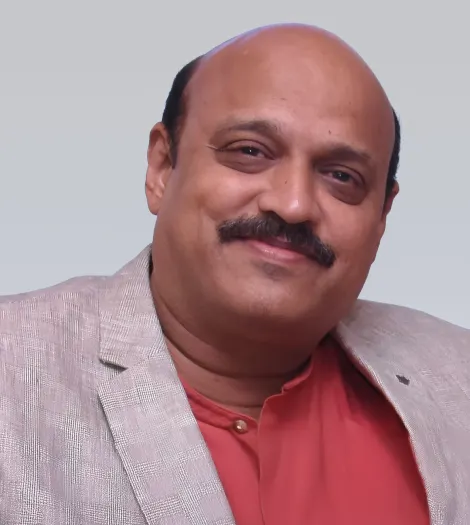
Director, Synchro Pack Ltd and A First-Generation Entrepreneur
An Entrepreneurial Journey Sanjeev Modani, Director of Synchro Pack Ltd., shares his inspiring story as a first-generation entrepreneur who began his journey at just 15. Coming from a service-class family with no prior business background, his passion was ignited during a childhood visit to a relative’s factory.
Director, Synchro Pack Ltd and A First-Generation Entrepreneur
Sanjeev Modani, Director of Synchro Pack Ltd., shares his inspiring story as a first-generation entrepreneur who began his journey at just 15. Coming from a service-class family with no prior business background, his passion was ignited during a childhood visit to a relative’s factory.
Starting in 1984 with the trading of pharmaceutical packaging materials, he gradually expanded into diverse sectors — from scientific glass manufacturing to food processing and sustainable packaging. His breakthrough came in 2006 with the establishment of Synchro Pack, supplying trays to Britannia Industries. In 2016–17, he launched a food processing unit producing tutti frutti from locally sourced papayas, supporting farmers and reducing agricultural waste. In 2023, he introduced a recycling-based unit manufacturing PP boards for VIP Industries.
Throughout his journey, Modani has prioritised ethical practices, sustainability, and social impact — powering units with solar energy, supporting local employment, and promoting green initiatives. His contributions have earned multiple awards, including recognition from the late President Dr. A.P.J. Abdul Kalam.
His story is a testament to perseverance, innovation, and value-driven entrepreneurship — a message he now passes on: there is no substitute for hard work, ethics, and commitment.
Read the full story from the entrepreneur
It all began during one of my childhood vacations at my relative’s house at Indore. I was just a budding teenager when something deep inside me shifted. While most kids my age were indulging in typical holiday fun, I chose to visit their factory. Watching the workings of the business — its pace, structure, and silent discipline — sparked a fascination within me. That exposure, those early lessons, planted seeds that would later grow into a lifelong journey. Looking back, that was the very moment the spark of entrepreneurship was quietly lit in me.
My entrepreneurial journey began in October 1984, when, at the age of just 15, I entered the world of business while continuing my studies. Coming from a service-class family, I was the first in my family to take the bold step into entrepreneurship. With no prior business background, the path was filled with challenges, but my father gave me full freedom to make my own decisions and always stood by me — a trust I never let down.
I started by trading aluminium caps used in the pharmaceutical industry, under the names Modani Enterprise and Capseal. In those early days, I expanded operations across India with offices in Indore and Chennai. Gradually, I diversified into trading plastic hangers, rubber bungs, and other pharma-related products.
In 1995, I took a major step and established Synchronise Scientific Glass Works Pvt. Ltd., a manufacturing unit for specialized glassware for the pharmaceutical sector. We proudly supplied to leading multinational companies and even to India’s oldest pharmaceutical pioneer, Bengal Chemicals & Pharmaceuticals Ltd. Around this time, I also worked closely with Bengal Chemicals & Pharmaceuticals Ltd., as a liaison Agent, and later with Bengal Immunity and Gluconate Health Ltd. These experiences broadened my vision and taught me the value of trust and ethics in business.
My true breakthrough came in 2006, when I ventured into packaging by setting up Synchro Pack, a unit dedicated to producing PVC and Paper trays for Britannia Industries Ltd. The initial phase was full of teething troubles, but perseverance paid off. Since then, for nearly two decades, Synchro Pack has proudly been a Green Channel Partner to Britannia. Working with Britannia not only strengthened my business but also taught me invaluable lessons on quality, consistency, and ethical practices.
In 2016–17, I expanded into the food processing sector with Synchro Pack Ltd., producing Tutti fruity made from Green papaya. West Bengal, being one of India’s largest producers of papaya and vegetables, often sees huge wastage of farm produce. I took the initiative to procure papayas directly from local farmers, giving them fair prices, creating rural employment, and reducing agricultural waste — a model of how industry and agriculture can work hand in hand.
In 2023, we added another feather to our cap by starting a unit for PP boards used in the soft luggage industry, dedicated to VIP Industries. What makes this venture special is that our PP boards are made from recycled polypropylene granules, contributing to India’s circular economy. By transforming recycled plastic into high-quality boards, we are reducing waste, conserving resources, and building a sustainable future.
Today, I look back with gratitude. From a teenage trader to leading a group of companies, I owe my journey to many people. I have been blessed with a loyal team, including Mr. Amal Kumar Dutta and Mr. Debendra Nath Sen, who have been with me for more than three decades. Their dedication, along with the efforts of over 250 employees (mostly local), has been the backbone of my success. Together, we have built businesses that generate livelihoods and support the socio-economic growth of our region.
Our commitment to quality and ethics is unwavering. Most of our four units are FSSC 22000 (US version) certified. We run our facilities on solar power, practice rainwater harvesting, and even encourage employees to commute by cycle — small steps that reflect our vision for a greener planet.
Along the way, I have been honored with multiple recognitions, including awards from Fosmi, W.B., Britannia Industries Ltd. and GMI (General Mills India). One of the proudest moments of my life was receiving the First-Generation Entrepreneur Award from the late President Dr. A.P.J. Abdul Kalam — an honor that reminds me daily of the responsibility that comes with success.
From 1984 to 2025, my journey has been a story of hard work, resilience, and unwavering ethics. My message to the next generation is simple: there is no substitute for hard work, ethics, and commitment. These values will not only help you succeed but also ensure that your success is meaningful.
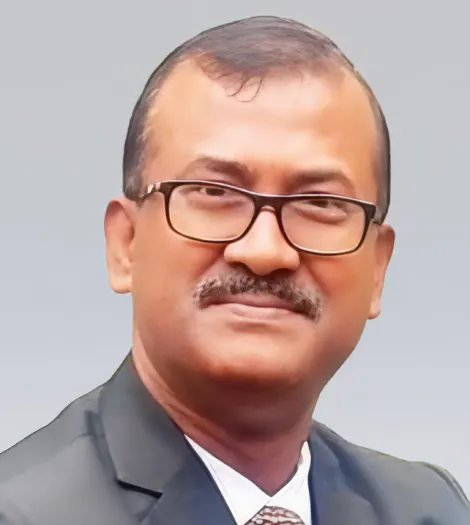
Founder of Hoki Broom
Rural Entrepreneur who sparked a Broom Revolution in the Himalayas From a humble childhood in Siliguri to becoming a grassroots industrialist and policy advocate, Sanjit Saha’s journey is one of creativity, resilience, and impact. Beginning with a passion for art and enduring early struggles through odd jobs and setbacks, he eventually founded Sonai Furniture, translating artistic expression into steel and design.
Founder of Hoki Broom
From a humble childhood in Siliguri to becoming a grassroots industrialist and policy advocate, Sanjit Saha’s journey is one of creativity, resilience, and impact. Beginning with a passion for art and enduring early struggles through odd jobs and setbacks, he eventually founded Sonai Furniture, translating artistic expression into steel and design.
In 2018, a turning point came when the Chief Minister of West Bengal called for a solution to uplift broom flower farmers in the hill districts of Darjeeling and Kalimpong. The villagers of the Darjeeling & Kalimpong hills traditionally gathered wild broom grass flowers ("Kucho" or "Amlisho") from forests and hillsides, bound by the conventional system and were forced to sell their harvest to middlemen that weren't fetching their worth.
Responding through his role in CII North Bengal, Sanjit Saha pioneered the development of Rural Entrepreneur Hubs (REH) concept by training villagers to process the broom grass they harvest into high-quality, Japanese-inspired long-handle brooms, bypassing exploitative middlemen and increasing their incomes by 20% or more.
Beyond production, he bridged the marketing gap by becoming an aggregator, leveraging his own business infrastructure to create market access for hill products. His journey integrates innovation, government scheme implementation, and social entrepreneurship—reflecting his core philosophy: “Think calmly. Then take the risk and dig the well. Keep digging - you will find water.”
From artist to industrialist, and now author and ecosystem builder, Sanjit Saha’s entrepreneurial path is a testament to perseverance, reinvention, and purpose-driven innovation - digging deep to bring change not only for himself, but for the communities around him.
Read the full story from the entrepreneur
The year was 2018. A request to CII North Bengal from the CM of the state in an open meeting at Kurseong echoed through the hall of CII North Bengal. "Find a way to help the farmers of the Hill Districts in getting better market and price for the broom flowers." Their broomsticks, the humble 'Kucho' or 'Amlisho', weren't fetching their worth, chipping away at their very livelihoods. As a senior member of CII, the call resonated deeply within me. It was not just a task but a summon to make a tangible improvement in the livelihood of people of the villages of Darjeeling and Kalimpong. It was a challenge perfectly suited to my unconventional trajectory
The villagers of the Darjeeling & Kalimpong hills traditionally gathered wild broom grass flowers ("Kucho" or "Amlisho") from forests and hillsides, bound by the exploitative "Dadan" system. Forced to sell their harvest to middlemen who had provided them with essential advances, they received meagre prices of only Rs. 40-50 per kilogram, regardless of the grass's true value or their labor. The govt scheme, Rural Entrepreneur Hub, REH's intervention transformed this dynamics. We taught villagers to add value by processing the grass they collected: cutting, sizing, and expertly binding it into finished, long-handle Japanese-style brooms. While this innovative product faces challenges gaining widespread traction in the broader Indian market till date, it has already begun shifting the local village economy slowly but steadily. By producing the final product themselves, villagers bypass the middlemen and now receive Rs. 60-70 per kilogram for their grass – a crucial 20%+ increase. This premium directly rewards their skilled labor in manufacturing the broom, rather than just selling the raw material. The potential for further income growth is significant; as more villagers master and scale up broom production, their earnings will rise proportionately.
My journey has rarely followed a straight line. It’s a canvas splashed with the vibrant colours of art, the stark lines of hardship and the bold strokes of risk. Born into humble beginnings in Siliguri, I learned early the value of resilience. My father’s job took us to many places before settling back in Siliguri.
Art was my first love – clumsy sketches inspired by magazine and newspaper illustrations blossoming under masters like Nirmal Chandra, Sudipto Roy and Prokash Karmakar. Life, however, had other brushes to wield.
Chickenpox during crucial exams, the relentless pressure to earn leading me through door-to-door vacuum cleaner sales, bookshops, reception desks or nursing home management – each step was a lesson in perseverance. I tasted the bitterness of near-misses, clearing the WBCS written exam only to falter in the interview. Yet, there was a spark to be fuelled by noted Bengali author Samaresh Basu's "Saudagar" and an unyielding belief that I could carve my own my own path.
That path led to making furniture. In 2003, armed with vision and sheer grit but zero experience, I founded 'Sonai Furniture.' It was my canvas translated into wrought iron and steel – artistry meeting industry. From that crucible emerged not just a recognized brand but also Sonai Metals and Hoki Broom. A struggling sales representative had become an industrialist, but the artist’s soul, never fully embraced by North Bengal’s art scene, found its expression in design and creation in steel furniture.
So, when the CM’s call came in 2018 from an open meeting in Kurseong , it wasn't just a CII member who responded; it was the artist, the industrialist, and the young man of humble beginnings who understood struggle. I saw the farmers' plight clearly. My first step was to ignite possibilities. I travelled through the hills, motivating farmers and communities to seize the opportunities within government schemes. The Rural Entrepreneur Hub (REH) concept shone brightly – a chance to access full grants for machinery, enabling villages to add value to their raw materials and generate employment right where they lived. I rolled up my sleeves, helped them form groups, craft Detailed Project Reports (DPRs), and navigate the approval process within the MSME department. Over the last few years, seeing more than five REHs established in Darjeeling and Kalimpong, humming with activity, has been profoundly rewarding.
But production alone isn't prosperity. The ancient design of their brooms, unchanged for generations, needed reinvention. Memories of my training in Japan on “Innovation in Business and Organizational Development” surfaced – the elegant, efficient brooms with long handles and wide, fan-like heads. They were innovative, user-friendly, comfortable, and simply 'better' at cleaning larger areas swiftly and with less strain. This was the key. I began training the REH groups in crafting this new design, bringing a touch of Japanese and Thai practicality to the Himalayan slopes.
Yet, innovation without market access is like a beautiful painting locked in a dark room. Knowing the system, understanding the challenges MSMEs face – especially the crippling issue of delayed payments, a subject I later delved into deeply for my book – I knew I had to bridge the gap. I stepped in as the aggregator. Investing my own resources and leveraging Sonai’s infrastructure, I took on the challenge of marketing these new brooms. We tapped local markets, explored export avenues, and pushed into modern trade channels. The response has been heartening – inquiries are trickling in from across India. Most importantly, we’ve managed to generate precious extra employment in those very hill villages, turning the farmers and villagers' problems into tangible, positive change. They are now fetching at least 20% hike in their produces.
This broom venture is more than just another business line; it embodies my entrepreneurial philosophy. It blends creativity (the new design inspired by global exposure) with practicality (understanding the REH schemes and market needs). It leverages experience (my journey through manufacturing and navigating MSME challenges) for social impact (uplifting hill farmers). It reflects the core belief I’ve lived by, born from those early days of struggle: "Think calmly. Then take the risk and dig the well. Keep digging, you will find water." We dug for these farmers, and we found water.
My recent work, the book "Payment Paradox Resolved," stems directly from this same wellspring of experience. Serving on the MSME Facilitation Council for West Bengal, witnessing firsthand the hurdles small businesses face, particularly the stranglehold of delayed payments, compelled me to compile that guide. It’s not just theory; it’s born from the trenches – understanding the legal framework (MSMED Act 2006), the roles of MSEFCs and NSIC, the potential of platforms like TReDS and GeM, and the power of technology. If my journey with Sonai Furniture was about building a business, and the broom project about empowering a community, this book is about empowering an entire ecosystem, sharing hard-won knowledge to help others navigate the challenges I know so well.
Looking back, from the young artist sketching in Siliguri, to the sales representative learning English on the job, to the industrialist building brands, to the CII leader facilitating REHs in the hills, and now the author advocating for MSMEs – it’s been a journey painted with diverse colours. It’s a journey driven by an enduring belief in creativity, resilience, and the transformative power of taking calculated risks to dig wells – for oneself, and for others. The canvas is far from complete, but every stroke, whether in steel, broom grass, or words on a page, aims to add value and create a more empowered landscape for West Bengal. That, truly, is my entrepreneurial journey till date.
What anchors me through it all - furniture factories, broom clusters, CII councils, members in MSEFC Council, even authoring a book born from MSME advocacy, is a simple truth I share with every young dreamer: "Think calmly. Then take the risk and dig the well. Keep digging - you will find water. Life is like that deep well."
But here I need to add a word of caution - to find water you may have to dig a hundred feet deep not one foot in a hundred spots.
I dug when I traded a stable job for a furniture workshop. I dug when I brought Japanese design to Himalayan brooms. I dug when I wrote a book on delayed payments, hoping to ease others’ burdens. And every time, water flowed—not just for me, but for communities, for farmers, for the unseen artist in every entrepreneur.
So here I stand: a man of brushes, brooms, bolts, and unshakable belief - from door-to-door sales representative to a humble industrialist. From aspiring painter to grassroots innovator, my story isn’t about arriving. It’s about continuing.
And I still carry that same sketchbook full of my dreams.
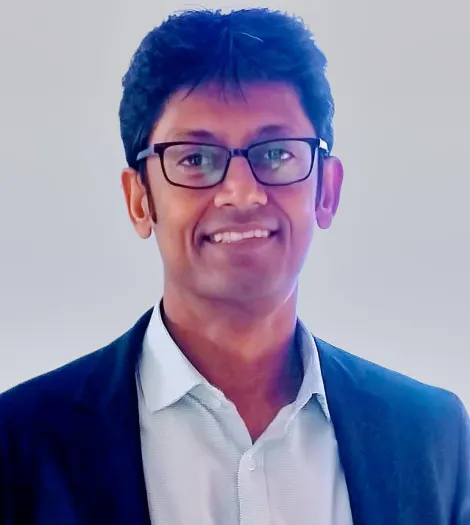
Founder-Director, Monosha Biotech
A Social Entrepreneur and Ophiophilist, working towards Human-Snake harmonious coexistence Saurabh Ray, Founder-Director of Monosha Biotech and a passionate social entrepreneur, has dedicated his life to addressing one of India’s most overlooked public health crises: snakebite deaths and disabilities. Despite India being home to the largest number of anti-venom manufacturers, the country holds the grim title of the “Snakebite Death Capital of the World.”
Founder-Director, Monosha Biotech
Saurabh Ray, Founder-Director of Monosha Biotech and a passionate social entrepreneur, has dedicated his life to addressing one of India’s most overlooked public health crises: snakebite deaths and disabilities. Despite India being home to the largest number of anti-venom manufacturers, the country holds the grim title of the “Snakebite Death Capital of the World.”
Through years of on-ground exposure, research, and international training, Saurabh Ray identified a critical flaw—India’s anti-venoms are produced using venom from only four species of snakes, sourced from a single region, despite the country's vast diversity of venomous snakes. This results in poor efficacy of anti-venoms in many parts of the country.
To bridge this gap, in 2017 he founded Monosha Biotech (MB)—India’s first initiative focused on collecting and supplying State and Region-Specific snake venom, following WHO guidelines, to enable the development of more effective anti-venoms.
Overcoming regulatory, financial, and personal challenges—including surviving a venomous snakebite himself—Saurabh has led MB to become a pioneer in snakebite mitigation. The company has established India’s first Serpentarium and Venom Repository, received support from premier institutions (IITs, AIIMS, IISER), and is now driving the development of species-specific anti-venoms and AI-based diagnostic tools.
MB’s vision goes beyond treatment—it aims to make India self-sufficient in venom and anti-venom production, potentially supporting neighboring countries like Bangladesh and Nepal. With growing recognition, including features in Harvard Business Review and national innovation awards, Monosha Biotech is on its way to creating a "Snakebite Death-Free World."
Read the full story from the entrepreneur
Since my childhood I was fascinated by snakes with my perception about them being shaped by both science and mythology.
In 1996-2016, I was travelling extensively, especially in the rural parts of West Bengal. There I found villages where many households had sad stories to say about deaths and disabilities related to snakebites.
In 2014, while doing some snake related research on the internet, I discovered that India carries the disgraceful stigma of being the "Snakebite Death Capital of the World" and that too in spite of having the highest number of Anti-venom manufacturers in the world.
I was having the burning desire to find out the probable reasons for this issue, and contribute to the extent possible. Balancing my professional commitments, and utilising my free time for extensive research, interaction with eminent scientists and other stakeholders in the ecosystem, I could gauge the probable reasons for this snakebite crisis.
One of the major reasons I found that in India for the last many decades, the anti-venoms are being made by using venom collected from the Southern part of our vast and geographical diverse country and that too for "just four" species of snakes when there are around sixty venomous snake species. With the characteristics of the venom of the same snake species being different in different regions, the more we move away from the South the efficacy of the Anti-venom also falls sharply. This very important factor has been studied, demonstrated and acknowledged by various scientists and academicians. But there probably had been no attempt to try and implement it to make" State/ Region Specific" Anti-venom needed in our State/country.
Identifying this gap, in 2015 I contemplated Monosha Biotech (MB), inspired by the mythological Goddess of snakes MA MONOSHA and resonating with my passion of working with venomous snakes. For the first time in India, I wanted to collect and nurture venomous snakes to harvest, process, preserve and supply "State/Region Specific" venom as per the World Health Organisation (W.H.O) recommendations to facilitate the production of the much recommended/needed "State & Region Specific" Anti-venom.
I was determined to put in all my savings and resources at stake to ensure the idea takes off. But I was also looking to get the idea validated by eminent individuals/organisations. For the first time in 2015, I shared the idea/concept of MB with the esteemed Indian Institute of Management Calcutta (IIMC) on their "idea to implementation" platform. Out of eight hundred plus entries, they shortlisted forty and MB was one. This gave me an impetus. In the same year, The toxicology Department, University of Calcutta, acknowledged our concept.
Snakes in India are protected under the Wildlife Protection Act, 1972. Hence studying and understanding the Act was imperative before approaching the pertinent Government Regulatory Authorities for the permit/approval to work, especially when I was planning something which would be a first of its kind in the country.
In 2016, I left my job to dedicate and immerse myself completely to understand the entire ecosystem to create MB. On 23 March'2017, MB was incorporated with the Ministry of Corporate Affairs (MCA).
I also started communicating with the W.H.O to get their view. In May 2017, I got the in principle support from the W.H.O. and coincidentally in the very next month the W.H.O announced snakebite to be a NTD (Neglected Tropical Disease). Now I was even more convinced that for all these years what I had been trying to address is actually an issue.
We approached the Forest Department, West Bengal (responsible for giving the permit/license to work with snakes in the State) in November 2016 where I was told that as snakebite related deaths/disabilities fall in the ambit of the Health and Family Welfare Department (H&FWD) and hence we need to get their views and only then the Forest Department would evaluate our proposed project. Situations were uncertain and our savings was depleting fast. However I convinced myself to persevere with the vision of a "Snakebite Death Free" society.
Our focussed approach soon started yielding results. In 2018, MB was given the "Startup” certification by the Department for Promotion of Industry and Internal Trade (DPIIT) and MB was announced to be one of the "top fifty Start-ups" of India on the SMARTFIFTY platform. Subsequently we received the first grant from the DST, GoI and IIM Calcutta Innovation Park (IIMCIP).
Keeping/Rearing snakes under controlled ambient conditions in line with the W.H.O recommendations for the production of venom for Anti-venom is something which I never did and hence I needed to hone my skills/expertise in this domain. Before MB is established and starts operating, I wanted to learn the art and science of venomous snake husbandry for venom production from some of the best places in world who had been doing this for decades.
2018-2020, I travelled to South Africa, Australia, USA, Malaysia and Vietnam to learn about Snake farm management, husbandry and venom extraction techniques. Snakes and venom being a highly regulated domain, situations were very uncertain (especially related to the time-line by which we can expect to get the necessary license/permit). Having left my job in 2016, arranging the funds and continuing became a major challenge. But with the blessings and good wishes from my well-wishers I dogged forward.
My commitment to get snakebite addressed as a major public health issue and the solution I proposed to address the same seemed to have gathered momentum. MB started receiving awards/accolades from Indian Institute of Technology (IIT) Kharagpur, Startup India, Indian Chamber of Commerce (ICC), IKP Knowledge Park/IICB ( Indian Institute of Chemical Biology), Biotechnology Industry Research Assistance Council (BIRAC). IIMCIP incubated MB as a Social enterprise. Council of Scientific and Industrial Research (CSIR)-IICB signed a MoU with MB and became our R&D partner to help us in our journey to mitigate the burden of snakebite. I was inducted in the “ICMR- National Task Force on Snakebite Research in India”.
IN July’2019, the snakebite poison App (on Google play store) was launched by the H&FWD, WB and we were given the opportunity to be a part of the App development. The West Bengal Industrial Development Corporation (WBIDC) and Federation of Indian Chambers of Commerce & Industry (FICCI) incubated us under IBAC helping us to further refine our project. In 2019, the H&FWD, WB shared their view on MB's proposal with the Forest Dept. Finally in 2020 we were given the license to start up.
The Serpentarium & Venom lab was established in Baruipur, 24 PG (S), which was the first such facility in the country. However in 2023 due to amendments in the WPA 1972, to incorporate the necessary changes our operations came to a halt. Now with live snakes with us, the monthly cash burn was even higher and managing became difficult. In 2025 MB received the renewed license/permit in view of the new amendments.
Today with the support of the State Departments [H&FWD, Forest Dept, Animal Resources Development Department ( ARD), Micro, Small and Medium Enterprises (MSME) and Department of Science and Technology & Biotechnology(DST&BT)] and the Ministry of Environment Forest and Climate Change (MoEFCC), Govt. of India, we have been able to establish and operate a unique Serpentarium and venom repository in West Bengal. Venom from MB’s repository is now being procured by Anti-venom manufacturers for developing the "State Specific Anti-Snake Venom Serum prepared with Venom Of Snake Specimens collected from snakes in West Bengal" as per the mandate of the H&FWD, WB . Now very soon we expect to have the much awaited and the first “State Specific” Anti-venom of the country.
With active support of the H&FWD,WB, MB (also incubated at RISE-IISER), along with All India Institute of Medical Sciences( AIIMS) Kalyani, Indian Institute of Science Education and Research (IISER) Kalyani and IIT Kharagpur have already embarked on a mission to design & develop Species- Specific Anti-venom to treat the bites of the "other" medically important snake species of East & North-East India for which there is no Anti-venom available. A Foreign Government Institution tied to the State Department of Health which is into the production of snakebite Anti-venom for more than a century has transferred the latest technology/process for the development and production of Anti-venom to MB and has also proposed to mentor/guide us in our journey to move forward along the value-chain (venom to Anti-venom). The possibilities that are emerging with the support/motivation of our State Departments (like the ARD setting up n equine facility in Kalyani, Nadia) if gets implemented would create an opportunity for setting up a Hub & Epicentre of Venom/Anti-venom research, development & production in West Bengal, benefiting the snakebite victims not just in our State but in the neighbouring States and countries (namely Bangladesh, Nepal) too where snakebite is a major issue.
Integrating our insights about the distribution pattern of the various venomous snake species and their envenomation pattern, MB along with IIT Kharagpur has developed an Artificial Intelligence (AI) based mobile application for helping the victims and the medical fraternity in identification of the snake responsible for the bite. The patent in this regard has also been filed. This coupled with the "diagnostic kits" being developed would eventually help in migrating to the "Mono-Species/genus specific" Anti-venoms from the present day available " Polyvalent" Anti-venom in India which is a designed to work against "four" snake species at a time although the bite is from only one. This is expected to result in better treatment outcomes and help optimise resource allocation/utilisation.
The DST&BT, WB has incubated MB and has provided us with a State of Art R&D facility at the Kolkata Biotech Park (KBP), Salt Lake to help delve into venomics (study of venom) which holds immense potential for identifying, isolating bio-active molecules of pharmaceutical importance leading to the possibility of discovering life-savings drugs from venom & venom derivatives.
With all these developments, we foresee the emergence of a "Self-sufficient & Model State" in snakebite mitigation & management, bringing back the legacy when one of the best/effective Anti-venoms were produced here. With the State growing, MB too would evolve as a Global player in the Venom/Anti-venom domain.
Being a "Social Startup" , recently MB's journey got featured in the Harvard Business Review and we have been bestowed with the "Innovation Excellence Award' 25" by TELEGRAPH and Calcutta Management Association (CMA).
Now when I look back to my childhood days, from my parent’s objections for leaving my job to dedicate myself to mitigate the burden of snakebite, the regulatory hurdles, the financial crunch to present day support of the pertinent Government authorities, the funding offers, I really feel that I have travelled a long path. But only to get the whip of conscience that the journey is just beginning. What I do is a matter of life & death and this very thought keeps me motivated.
In 2021 when I suffered a snakebite, instead of being concerned about my impending death (as I was bitten by a monocled cobra for which there is no Anti-venom available in India), I dedicated my time at the ICCU to observe from the closest how a bite gets treated and what all are the gaps that need to be addressed. The experience made my resolution even stronger to move ahead.
I feel blessed to be in a profession which is also my passion and possibly that has helped me to keep moving forward. The journey has been very enriching.
I dream of a “Snakebite Death Free World”.
With the support/guidance of the important stakeholders, I am confident of achieving the dream.
Founder – Nav Kesha & Nav Twacha
From Homemaker to Entrepreneur: The Birth of Nav Kesha In her entrepreneurial journey, Shazia Shabbir, founder of Nav Kesha and Nav Twacha, shares her inspiring transition from homemaker to successful entrepreneur. What began as a personal remedy — homemade hair oil crafted in her kitchen — evolved into a trusted brand rooted in traditional Indian ingredients and holistic care.
Founder – Nav Kesha & Nav Twacha
In her entrepreneurial journey, Shazia Shabbir, founder of Nav Kesha and Nav Twacha, shares her inspiring transition from homemaker to successful entrepreneur. What began as a personal remedy — homemade hair oil crafted in her kitchen — evolved into a trusted brand rooted in traditional Indian ingredients and holistic care.
With no business background and only a handful of products, Shazia took her first brave step by participating in a small community exhibition. The overwhelming support she received ignited her belief that she could turn her passion into a purposeful venture. Despite the challenges of juggling household responsibilities and growing a business, she persevered — creating a line of natural, effective hair care products and later expanding into skincare with the launch of Nav Twacha.
Her story is a heartfelt testament to the power of self-belief, resilience, and purpose-driven entrepreneurship. Shazia encourages others to start small, embrace imperfection, and follow their inner calling, proving that even the simplest beginnings can lead to meaningful impact.
They say dreams often grow in the most unexpected corners — mine began in my kitchen, with love in my hands and faith in my heart.
For years, I was a devoted homemaker, pouring my soul into caring for my family. My world revolved around making a warm meal, tending to every little need, and ensuring our home was a place of comfort. Somewhere between folding laundry and stirring pots, I discovered a little joy that was just mine — making my own hair oil. It wasn’t fancy, just a humble blend of ingredients and care, but I noticed how it worked wonders for my hair.
Friends and relatives would often ask, “What’s your secret?” I would laugh it off, but their questions stayed with me. Deep down, I wondered — could something born in my kitchen, with my two hands, actually make a difference for others?
Read the full story from the entrepreneur
My first step into entrepreneurship was not bold, but cautious. I set up a single table at a small housing society exhibition before Durga Puja. I still remember my hands trembling as I arranged the bottles, afraid no one would stop to even look. There was a voice inside me whispering, “What if no one buys? What if they laugh?” But as the day went on, strangers became customers, and customers became well-wishers. I went home that evening with an empty basket, a full heart, and the quiet but powerful belief — I can do this. That day marked the birth of Nav Kesha.
The journey from there was not easy. There were days I doubted myself, wondering if I was chasing something too small to matter. There were nights I stayed up past midnight, bottling oil while the rest of the house slept. I learned to answer customer queries between cooking lunch and ironing uniforms, balancing my two worlds — home and business — on the same pair of tired but determined shoulders.From those beginnings, Nav Kesha has grown steadily. Today, we are selling many bottles every month, reaching new homes, and touching more hearts with every delivery. The beauty and wellness sector is like a vast ocean, and I have set my little boat afloat in it. I may not have reached the shore of big numbers yet, but with perseverance and sincerity, I know I will sail through.
Over time, Nav Kesha grew beyond just hair oil. I introduced Nav Kesha Sulfate-Free Shampoo, enriched with amla, reetha, shikakai, hibiscus, bhringraj, and aloe vera — a blend rooted in the age-old wisdom of Indian hair care. To complete the ritual, I launched the Nav Kesha Satin Smooth Conditioner, infused with silk protein, rose, hibiscus, and rose water, designed to nourish hair deeply and leave it soft, shiny, and strong. Our biggest leap came with the step into online marketplaces. Nav Kesha products are now available on platforms like Amazon, Flipkart, and Meesho. Going digital has given us wings customers from far beyond my own city are now experiencing what once lived only in my kitchen.
From those early days, Nav Kesha has grown one product, one customer, and one heartfelt testimonial at a time. Today, alongside our hair care range, I am proud to have introduced Nav Twacha — a gentle, natural night cream born from the same intention: to nourish, heal, and empower.
To every dreamer reading this — don’t wait for the perfect moment. Start with what you have, where you are. You don’t need a fancy office or a huge investment; what you need is belief in yourself, honesty in your work, and the courage to keep moving forward, even when no one else sees your vision yet. Failures will humble you, feedback will guide you, and small victories will keep your fire alive. If I could start from my kitchen with nothing but a few bottles and a hopeful heart, you too can create something uniquely yours — just take that first step.
This journey has changed me. It turned hesitation into hope, fear into faith, and a homemaker into a businesswoman. I carry deep gratitude for my family, my customers, and every soul who has encouraged me along the way. Nav Kesha and Nav Twacha are more than just brands — they are pieces of my heart, symbols of resilience, and a reminder that even the smallest beginnings can lead to the most beautiful destinations.

Director, Shanta Colibri (India) Pvt. Ltd. | Federal Synergies (India) Pvt. Ltd. and Founder, Selladale Synergies India Private Limited (ReWiRe, in partnership with Tata Motors)
Building the Infrastructure for a Circular Economy Vrint Poddar is an infrastructure entrepreneur with over 14 years of experience in smart utilities, urban systems, and sustainability-driven ventures. With a background in Electronics & Telecommunication Engineering from PESIT, Bangalore, he has led large-scale public sector projects in West Bengal involving smart water distribution, SCADA, and advanced metering.
Director, Shanta Colibri (India) Pvt. Ltd. | Federal Synergies (India) Pvt. Ltd. and Founder, Selladale Synergies India Private Limited (ReWiRe, in partnership with Tata Motors)
Director, Shanta Colibri (India) Pvt. Ltd. | Federal Synergies (India) Pvt. Ltd.
Founder, Selladale Synergies India Private Limited (ReWiRe, in partnership with Tata Motors)
Vrint Poddar is an infrastructure entrepreneur with over 14 years of experience in smart utilities, urban systems, and sustainability-driven ventures. With a background in Electronics & Telecommunication Engineering from PESIT, Bangalore, he has led large-scale public sector projects in West Bengal involving smart water distribution, SCADA, and advanced metering.
Driven by a passion for building scalable solutions, Vrint Poddar founded Selladale Synergies India Pvt. Ltd. in response to India’s Vehicle Scrappage Policy. The company set up the largest government-authorized Registered Vehicle Scrapping Facility (RVSF) in Eastern India under Tata Motors’ ReWiRe program. The facility is a benchmark in safe, compliant, and environmentally responsible vehicle dismantling—integrating digital systems, material recovery, ZLD processes, and stringent safety protocols.
Through his leadership roles at Shanta Colibri and Federal Synergies, Vrint Poddar continues to drive smart infrastructure and energy efficiency initiatives. His work reflects a commitment to building sustainable, circular systems across sectors—focusing on innovation, environmental stewardship, and long-term impact.
Looking forward, Vrint Poddar is expanding Selladale’s footprint, with plans to integrate EV battery recycling, carbon credit services, and digital traceability into the end-of-life vehicle ecosystem.
Read the full story from the entrepreneur
My professional journey began with a foundation in Electronics & Telecommunication Engineering from PESIT, Bangalore. Over the last 14+ years, I have been deeply engaged in infrastructure projects across West Bengal – ranging from smart water distribution systems to advanced metering, SCADA implementation, and real-time monitoring for municipalities and utilities like KMDA, KEIP, KEIIP, and CESC.
While working on large public sector projects gave me a strong understanding of urban infrastructure and system integration, my entrepreneurial drive kept pushing me toward more hands-on ventures – where I could build and scale solutions from the ground up. This calling became clearer with the announcement of India's new Vehicle Scrappage Policy.
The policy marked a critical step in modernizing India’s vehicle ecosystem – aiming to phase out unfit, polluting vehicles and promote a circular economy through sustainable recycling. I saw this as a unique opportunity to create a greenfield business with immense national relevance.
In response, launched Selladale Synergies, a startup focused exclusively on building a state-of-the-art Registered Vehicle Scrapping Facility (RVSF). What followed was a path that combined industrial design, regulatory advocacy, operational grit, and environmental responsibility.
The turning point came when Tata Motors invited proposals for private partners to operate scrappage centers under their new brand ReWiRe. Our vision, execution plan, and alignment with Tata’s values earned us a partnership for setting up the largest Government-authorized RVSF in Eastern India – located strategically near Kolkata.
The RVSF developed under Selladale Synergies is fully compliant with the norms laid down by the Ministry of Road Transport & Highways (MoRTH), CPCB, and West Bengal Pollution Control Board. Spread over a sprawling industrial plot, the facility is designed to safely dismantle and process end-of-life vehicles across all categories – two-wheelers, passenger vehicles, commercial vehicles, and more.
Key Features of the Facility
We invested significant effort in creating SOPs that prioritize environmental compliance, data protection, and transparency – vital in building trust among vehicle owners and OEMs. We also worked closely with RTOs, transport departments, and traffic police across districts from Asansol to Kalyani to streamline vehicle intake, towing permissions, and scrappage certification.
Beyond physical infrastructure, what we’re building is a model for responsible vehicle end-of-life management – something that India critically lacked until recently. With Tata Motors’ backing, Selladale Synergies is now recognized as a dependable RVSF operator in Eastern India, and we’re actively exploring facilities in other states with an eye on long-term scalability.
This venture complements my work at Shanta Colibri and Federal Synergies, where we continue to implement smart utility and energy efficiency solutions. Together, these endeavors form a portfolio focused on sustainable infrastructure – whether it's water, energy, or mobility.
Founder, Megaa Moda Pvt Ltd.
From Leather to Seafood - A Journey of Reinvention and Resilience Yogesh Gupta, a Chartered Accountant turned entrepreneur, is the Founder of Megaa Moda Pvt. Ltd., a leading seafood export company based in Eastern India. His entrepreneurial journey began in 2000 in the leather goods export industry, where he built a successful business until the 2008 global recession forced a strategic shift. In 2011, he transitioned into the seafood sector, co-founding Megaa Moda alongside Shankar Ramalingam.
Founder, Megaa Moda Pvt Ltd.
Yogesh Gupta, a Chartered Accountant turned entrepreneur, is the Founder of Megaa Moda Pvt. Ltd., a leading seafood export company based in Eastern India. His entrepreneurial journey began in 2000 in the leather goods export industry, where he built a successful business until the 2008 global recession forced a strategic shift. In 2011, he transitioned into the seafood sector, co-founding Megaa Moda alongside Shankar Ramalingam.
Starting from scratch in a new industry, Yogesh led the company through challenges with resilience and a vision for long-term impact. In 2017, Megaa Moda received equity support from the West Bengal Government and established a state-of-the-art seafood processing facility in Howrah.
Today, Megaa Moda is a Three Star Export House, exporting high-quality shrimp products to over 30 countries and supporting over 800 rural families through sustainable aquaculture practices. The company is globally certified and recognized for its quality, innovation, and commitment to ethical sourcing.
Yogesh's leadership extends beyond business, with active roles in national trade organizations including FIEO, IACC, CLE, EPCH, ILPA, and MCCI. His future vision includes expanding global reach, launching new frozen food lines, and building a purpose-driven brand that empowers communities and champions sustainability.
Read the full story from the entrepreneur
I am Chartered Accountant by qualification and a passionate entrepreneur by profession. My journey in international trade is a story of resilience, transformation, and dedication to excellence, built over nearly two decades in the export industry.
My export entrepreneurial path began in 2000, when I launched my first business in the leather goods industry. Through hard work and a relentless focus on quality, I built a successful export operation that gained strong traction in Europe. However, the global recession of 2008 hit the leather business hard, posing a critical challenge. Instead of being disheartened, I chose to reinvent myself.
In 2011, I exited the leather industry and entered the seafood sector with a new vision. I along with my co director Shankar Ramalingam joined hands to restart Megaa Moda Pvt. Ltd., and become a leading name in seafood exports. The transition was demanding—it required us to start afresh, learn a new industry from the ground up, and overcome numerous hurdles. But with determination, adaptability, and a deep belief in long-term impact, we built Megaa Moda into what it is today. We were fortunate that in 2017, West Bengal Govt provided Equity to our company and we setup a world class processing unit of our own in Howrah District over 2.5 acres of land.
Megaa Moda is now a Three Star Export House, with a world-class seafood processing facility in Eastern India, equipped with 1000 MT cold storage and advanced IQF freezing technology from JBT Sweden and CFT. Our wide range of products—including Black Tiger Shrimp, Vannamei Shrimp, Sea-caught Shrimp, White Shrimp, Pink Shrimp, and Freshwater Scampi—are exported to more than 30 countries, serving a diverse clientele with Ready-to-Cook seafood solutions. We maintain the highest global standards with certifications such as HACCP, ISO, BRC, MPEDA, US FDA, BAP, ASC, SMETA, ZED, AEO, FSSAI, and more. At Megaa Moda, quality is not just a benchmark—it’s our identity.
What truly sets us apart is our commitment to people. I strongly believe in building lasting relationships with the local farming communities that power our business. We work closely with farmers, encouraging ethical and sustainable aquaculture practices that not only protect the environment but also uplift rural livelihoods. supporting over 800 families. Our vision is built on mutual growth—where businesses thrive, and communities prosper.
Over the years, our efforts have been recognized with several prestigious awards, including:
My earlier experience in leather exports also gave me a solid foundation in international regulations and the intricacies of global trade. These insights helped me shape my ventures with a deep understanding of compliance, market dynamics, and operational efficiency.
Beyond business, I remain actively engaged in various trade bodies, chambers, and associations, advocating for exporter interests on national and international platforms. I have had the privilege of holding several key positions, including:
As I look to the future, my goal is to further expand Megaa Moda’s global reach, introduce innovative frozen food lines, and build a brand that stands for trust, sustainability, and excellence. My journey is not just about numbers—it’s about building something meaningful, empowering communities, and leaving behind a legacy of purpose-driven entrepreneurship.
Write to our experts – where innovation meets experience.